Top 5 Traditional Swedish Foods
Scandinavians have an eclectic taste when it comes to culinary choices, and the Swedes are no exception. From the smörgåstårta to seafood, in all its glory, we'll be looking at some of the savoury dishes that the Swedes indulge in... when they're not having Fika!
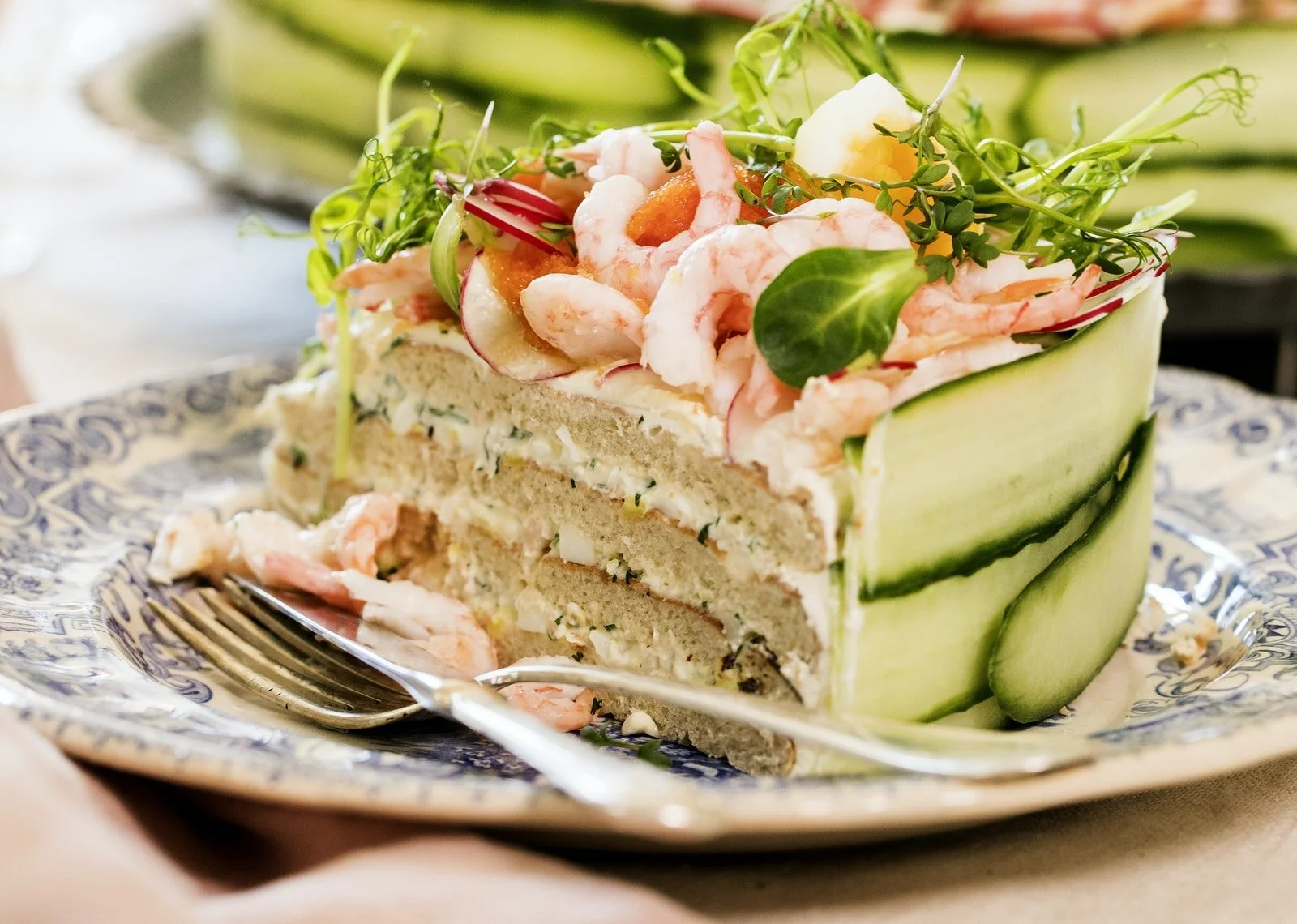
Photo by recept.se
Sweden is known for its long, harsh winters, making growing conditions difficult. This is why pickled and preserved dishes make up a generous portion of the cuisine, lasting throughout winter without spoiling. Although Stockholm is now one of the most vegan cities in the world, the traditional food consumed in Sweden is still largely animal-based.
As for vegetables, or Grönsaker (literally meaning ‘green things’) well, you won’t find any of those here! Meatballs are off the menu because here we’ll be looking at the top 5 traditional Swedish foods that you’ve probably never heard of.
1. Pickled Herring
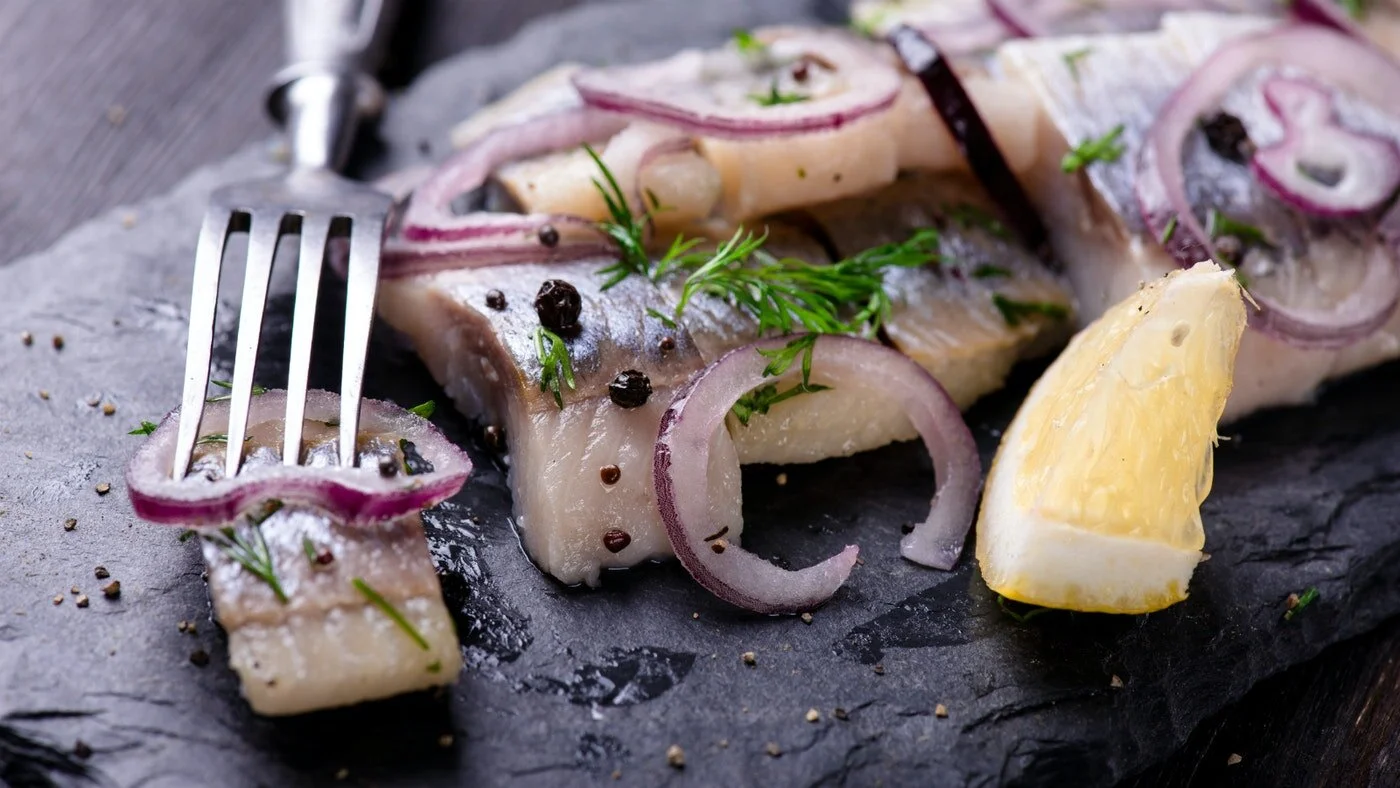
Photo by Jake Marmer
Be it Easter, Christmas or Midsummer, no holiday is complete without the addition of this preserved speciality. Pickled herring, or Inlagd Sill, has been a popular choice in the Swedish cuisine for centuries.
Due to Stockholm’s close proximity to the sea, it was common for fisherman to regularly take trips out to the Archipelago in their herring boats to make their daily catch. This made pickled herring a cheap and widely available food staple amongst natives.
The most traditional way to serve the fish is cold with potatoes, sour cream and chives but it is also popular served on knäckebröd (see number 4). Just don’t mistake it for its cousin surströmming, which is described as smelling like rotten eggs and raw sewage. Eww!
2. Kalles Kaviar
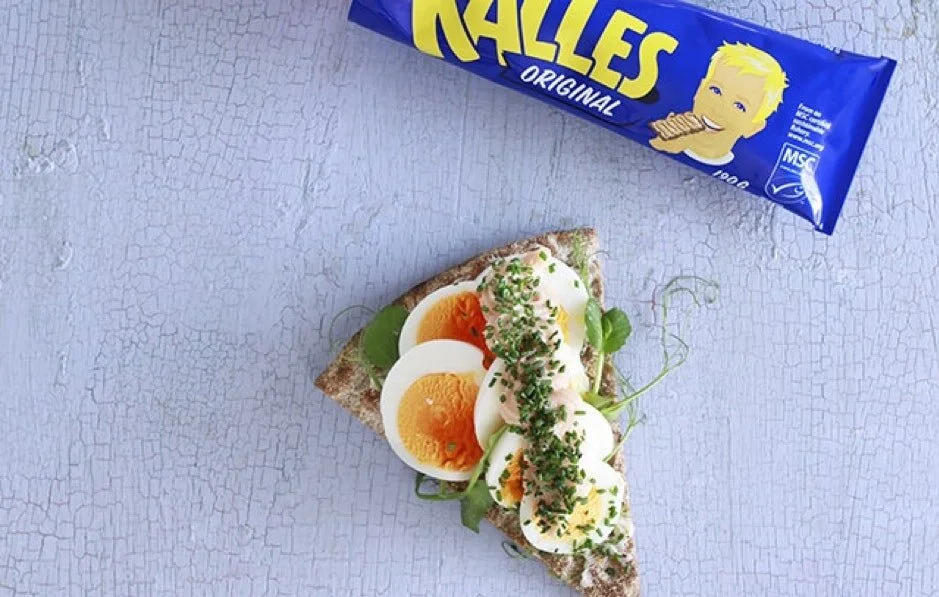
Photo by Ocado
It might look like a tube of toothpaste, but it certainly doesn't taste like it! This sandwich caviar is made, primarily, from pureed salted cod eggs and has a recipe that is said to date back hundreds of years, although it has only been a marketable success in Sweden since the '50s.
Some cultures might regard the consumption of caviar to be reserved for the rich and famous, but not in Sweden. Kalles Kaviar remains a popular addition to any egg or prawn based open sandwich. However, it is an acquired taste (or smell!) to say the least.
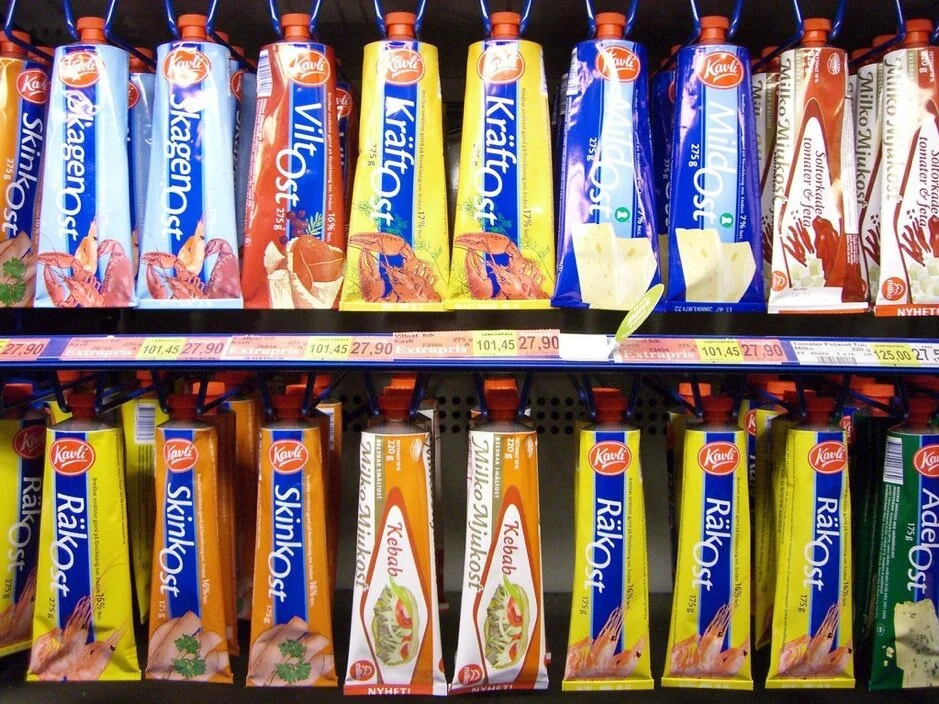
Photo by Lexi Mainland
And caviar isn't the only food you can find in a tube in Swedish supermarkets; mjukost or soft cheese is sold in almost every flavour imaginable. Ham, prawn, red pepper, jalapeno - you name it, they've got it. You'll find this popular sandwich spread in the back of every Swedes fridge, ready for that late night snack!
3. Lingonberry Jam
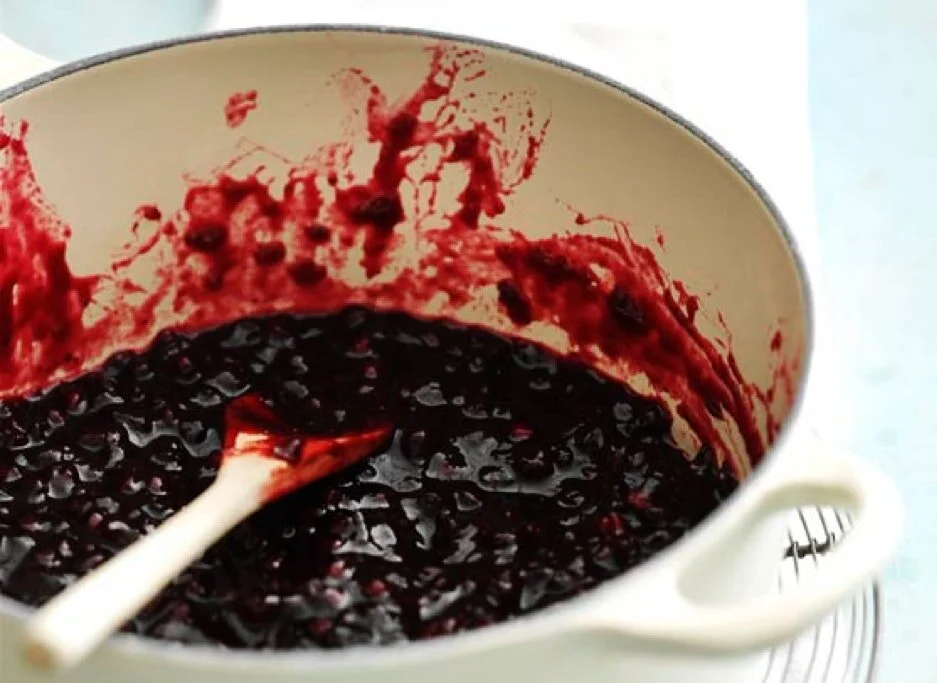
Photo by Dan Sukker
Closely resembling that of a cranberry, you’ll only find the lingonbär in Northern regions of Europe.
This berry is widely foraged in Swedish forests and has traditionally been maintained throughout the winter by being preserved as a jam, working well with the berry’s naturally high acid content. This preservation method was also a great way to supplement diets with vitamin C in the winter when vegetation was scarce.
The jam’s tart flavour perfectly complements traditional savoury dishes like meatballs and mashed potatoes and is also a widespread condiment to potatisbullar, a hash brown-like form that is commonly eaten with bacon as an evening meal.
4. Knäckebröd
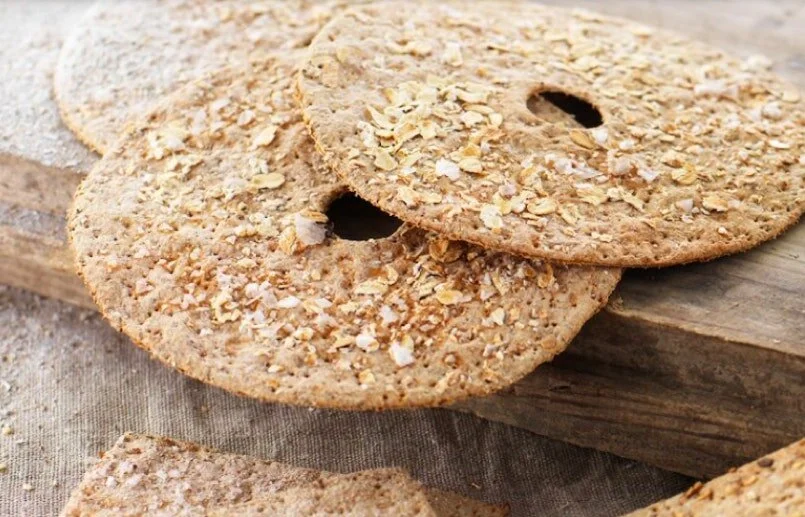
Photo by Kron Jäst
Traditionally made with rye flour, you might only know it by the brand name Ryvita, but in Sweden, this type of crispbread has a whole different game. The origins of knäckebröd dates back to a whopping 2000 years ago, making it possibly one of the most authentic Swedish foods yet.
The knäckebröd equation:
knäcke = crisp
bröd = bread
knäcke + bröd = crispbread!
Knäckebröd is complementary to pea soup, a classic Swedish dish which is often eaten on Thursdays. But most commonly, the bread is eaten as a snack with a variety of toppings including herring, egg, caviar, jam, cheese….in fact, you can eat it however you like! There are some variations of crispbread including Fröknäcke which includes seeds in its rye flour based recipe.
5. Crayfish
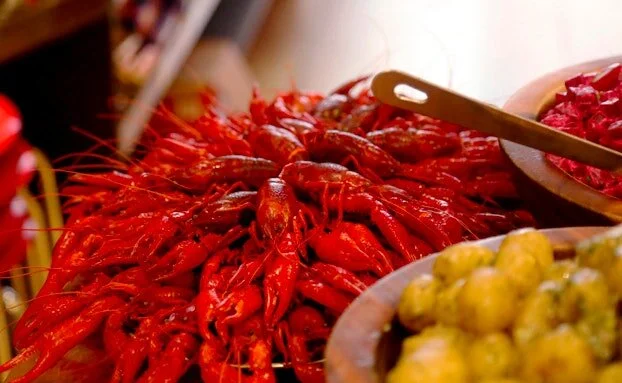
Photo by Scandi Life
Yes, I know what you’re thinking - the Swedes sure do love their seafood! You’ll find this particular crustacean on the menu every August at the annual Crayfish Party or Kräftskiva in Swedish, which this year falls on the 8th of the month. This reason for this specific date was due to seasonal fishing laws of the 20th century, but it’s now continued simply by tradition.
The feast is typically held outside in the warm weather, accompanied by family, friends, neighbours and, of course, lots of alcohol (such as schnapps!) But crayfish isn't the only thing on the table – aioli, cheese pie and knäckebröd can also be found amongst the assortment of buffet-style dishes.
What traditional Swedish foods would you add to my list? Have you tried any of the foods mentioned above? If so, what did you think? (bonus points if you've tried surströmming!)