A Starters Guide to Using Transport in London
London's transport system is an extensive network of trains, buses and riverboats that covers Greater London. The London underground consists of 11 tube lines that cover 270 stations across London. 2 million people use the underground every day.
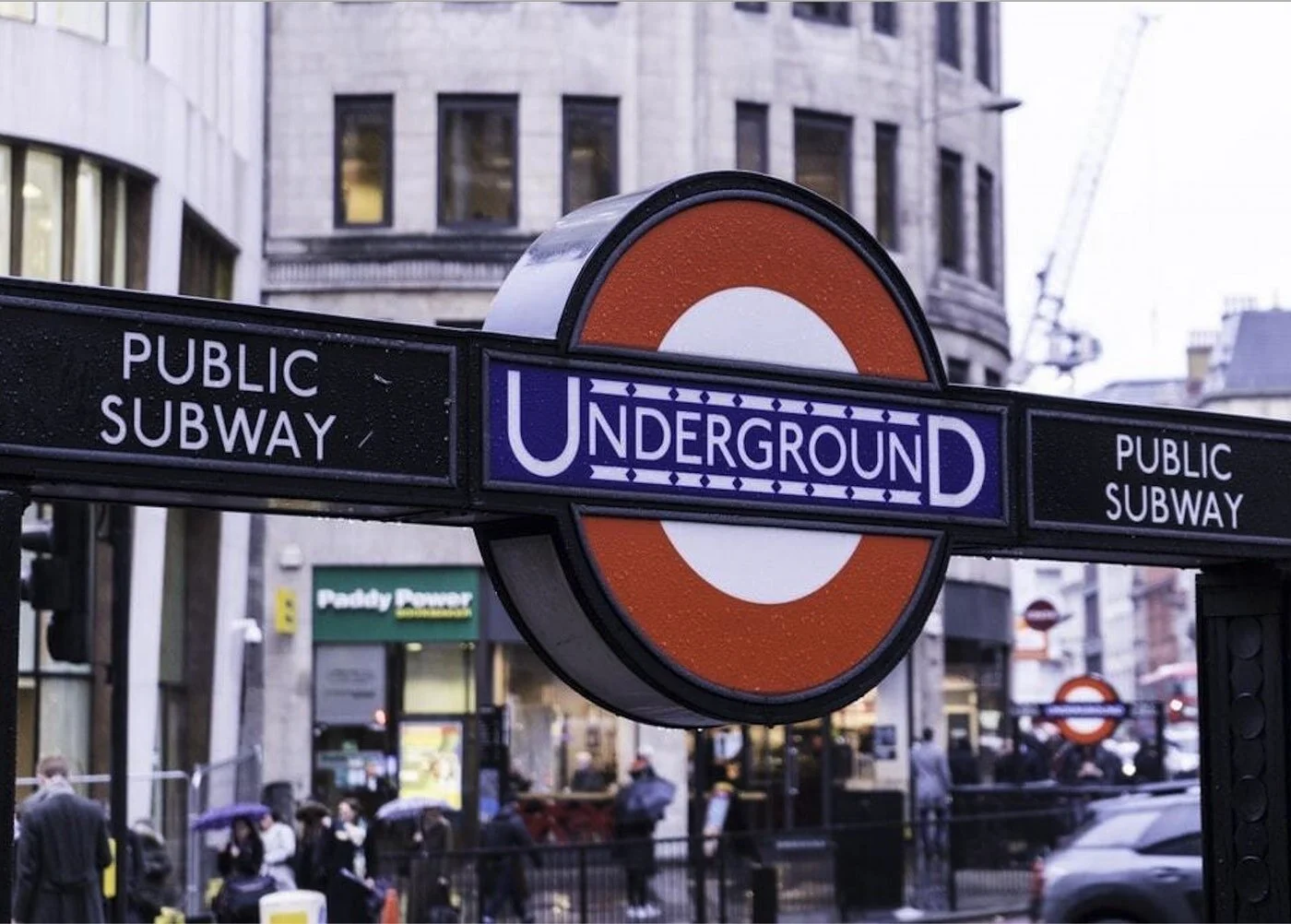
Photo by Joseph Balzano
The London transport system will be your lifeline when visiting London; hop on, hop off and visit all corners of the capital without missing a thing.
The underground, more colloquially known as the tube, is complemented by the DLR, buses and riverboats that connect all boroughs of London. To access London's transport system, your best options are to obtain either an Oyster card, a contactless bank card or a paper ticket. Whether you're moving to the big smoke or are visiting for the weekend, there is a ticket for you.
How Do I Obtain A Ticket For The Underground?
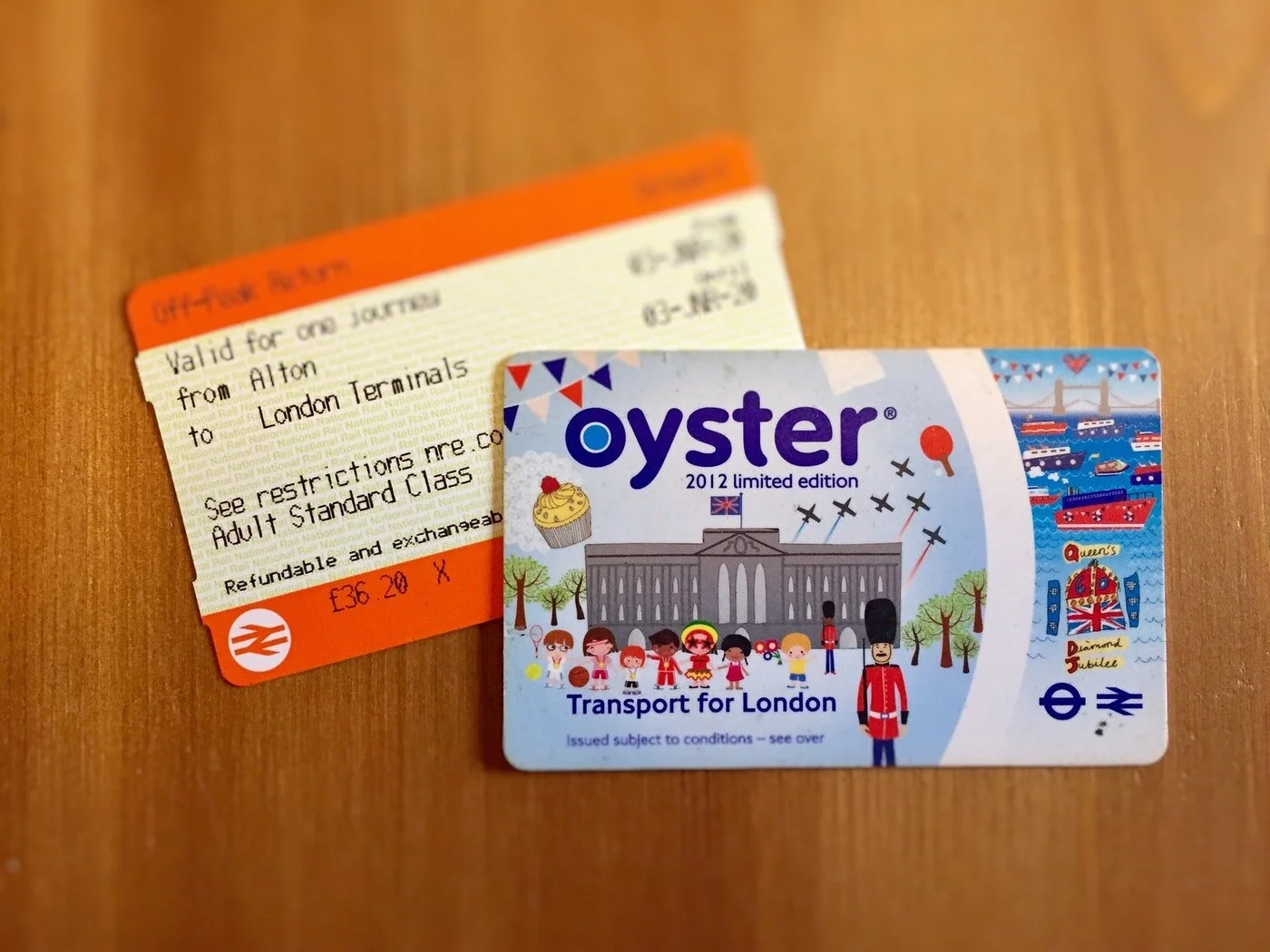
Photo by Aneka Tiala
The easiest option for using the London underground, and other transport methods, is by utilising your contactless bank card. Simply tap your card onto the yellow card readers at the barriers, and it will debit a standard single fare from your account. The cost for a single journey is generally between £2.40 and £5.90.
Your total payments will be capped at a certain amount, depending on which zones you're travelling in, meaning you can travel as much as you like in a given day on a flat rate. The maximum fee is £8.40 per day if using the same bank card.
If you're using a non-UK bank card, then you might come to face some difficulties in your travels. For this reason, it would be advisable to purchase a Visitor Oyster Card before you leave home. The card cost is £5 and will allow you to pay-as-you-go on your journeys, which is cheaper than a standard single fare ticket, and have your card delivered to your home.
You can also simply visit the kiosk or self-service ticket machine at any station to purchase a ticket directly on the day, although this will be the most expensive option. Prices are generally almost double if purchasing this way, but can be the simplest option if you're only planning on making a single trip during your visit.
Ticket Options Summary
Oyster Card
Contactless Bank Card
Paper Ticket
Read more about the different ticket types on the London transport system.
How Much Does The Underground Cost?
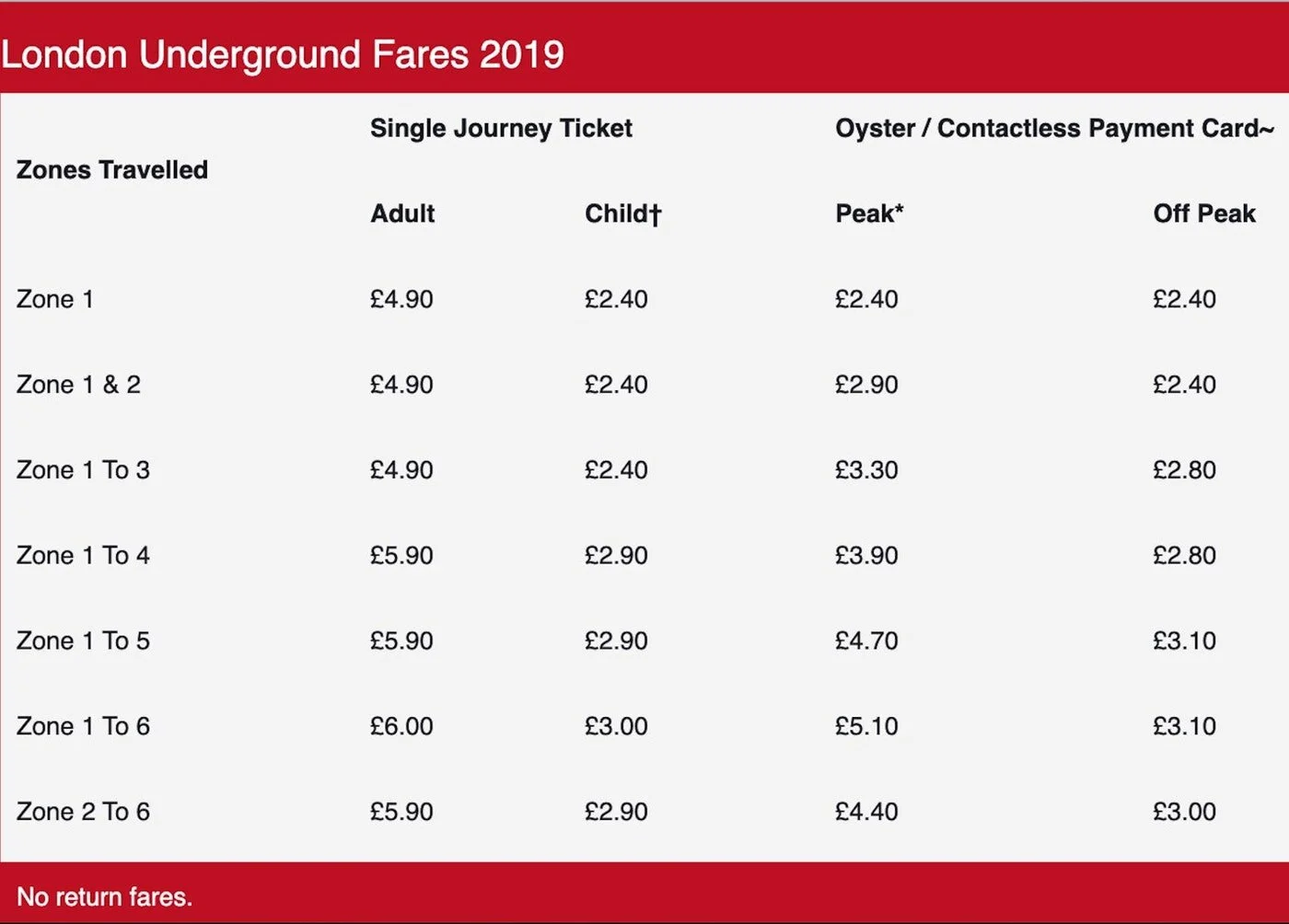
Photo by London Tool Kit
Transport in London can be high, but remember that you will never be charged more than £8.40 per day for using the underground.
The cost of travelling on the London underground depends largely on what zone you're travelling in and whether it's during peak hours or off-peak hours. London's underground system consists of 9 zones, Zone 1 being situated in central London succeeding in the penultimate Zone 9 on the outskirts of the capital.
Note: peak hours are between 06:30 and 09:30 and between 16:00 and 19:00 Monday to Friday.
A single journey in zone 1 will set you back £4.90, but this decreases to £2.40 if using an Oyster Card or contactless bank card. The most expensive journey using a non-cash payment method costs £5.10, travelling between zones 1 – 6 during peak hours, although this decreases to £3.10 off-peak. There are several options for travel cards and discount cards if travelling frequently.
The National Railway network is separate from London's transport system, therefore different ticket types and fares apply. These trains will often depart and terminate in London's main stations, but you will not be able to use your Oyster Card outside of Zone 9. If you aged between 16 - 25 then you can receive 1/3 off of all rail transport nationwide.
Read more about the Oyster card in London.
Free And Discounted Travel On The Underground
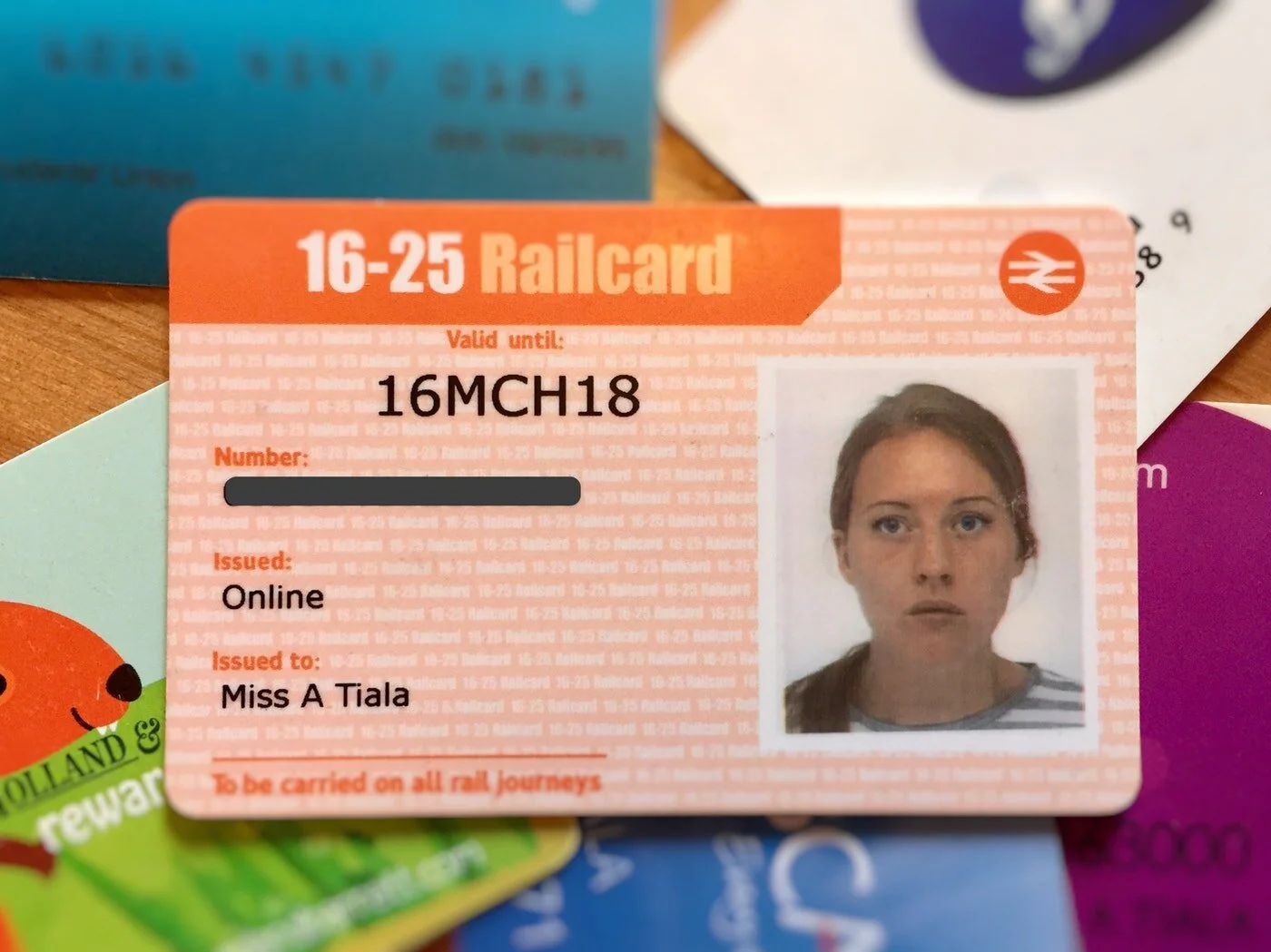
Photo by Aneka Tiala
There are numerous different options you can choose to cut back the costs of travel in London, from student tickets to travelcards for pensioners.
London's transport network is notorious for having sky-high fares, but there are ways you can reduce these costs. Transport for London offers a variety of discount cards for travellers ranging from children and students to pensioners and veterans. These travel cards can offer a large percentage off of transport and in some cases even be free.
Children under 5 travel for free, if accompanied by a paying adult. Children aged 5 - 10 also travel for free, although you must first register online for a Zip Oyster photocard for your child. Youths aged 11 - 15 can get free travel on trams and buses, and travel with discounted rates on the underground and DLR using a Zip Card.
You can also save 30% off fares if you are aged 18+ and are studying or on a work placement in London. Discounted fares are also valid for those completing an apprenticeship in London.
Those who are aged 60+ and living in a London borough can travel free on the tube, DLR, trams and buses with a valid photocard. If you're aged 66+ or are living with a disability then you are eligible to apply for a Freedom Pass. A Freedom Pass allows you to travel for free on all modes of transport in London, excluding riverboats.
Other discounted travel applies to:
To find out more about discounted travel cards in London and their full range of benefits, visit gov.uk's website.
Read more about the most used transport apps in London.
Using the London underground can be as simple as tapping your contactless card at the barriers – there's not necessarily a need to purchase an Oyster card. Whichever option you choose to go for, navigating the transport network in London can be a challenge, so I hope this guide is a good starting point for your travels.
Did you find this article informative or helpful for your upcoming travels in London? Let us know in the comments section below!
This article was written for Globuzzer, the social network for travelers and expats in the Nordic regions.