Requirements For Accessing Health And Medical Services In Sweden For EU And Non-EU Citizens
Planning your health and medical care for the duration of your stay in Sweden should be at the top of your priority list. The government-funded healthcare system in Sweden is easily accessible for some, but there can be some red-tape you have to work through if visiting from a country outside of the EU.

Photo by Free Stocks
The Swedes are known to be a healthy, lake-swimming, muesli-eating, mountain-hiking bunch and this is reflected in their longevity rates which exceed 80 years for both men and women, being the fifth highest in Europe.
There are a list of things you should consider when planning for your stay in Sweden; how long you will be in the country, whether or not you’re an EU or EEA citizen, if you’re studying here and if you’re planning on applying for a Residence Permit or Personal Number. Some of these things can make accessing healthcare in Sweden much more straightforward.
The healthcare system in Sweden is de-centralised, meaning that although the government sets out the guidelines and lays the foundations for the type of care patients should receive, individual counties impose these decisions at their discretion. Considering the average life expectancy for Swedes exceeds 80 years for both men and women, they’ve clearly got something right!
How To Use An EHIC Card To Access Healthcare In Sweden
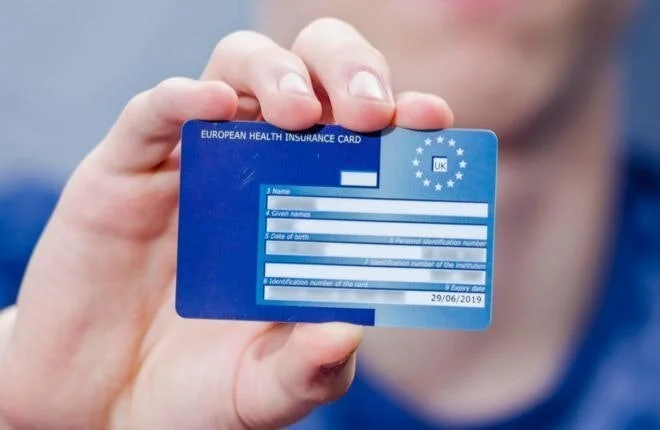
Healthcare in Sweden is tax-funded, meaning that everyone has equal accessto medical and emergency care in Sweden. Accessing healthcare is a lot easier if you use an EHIC card, although this isn't the only option.
The number one way of accessing healthcare in Sweden is by using a European Health Insurance Card (EHIC). An EHIC card can be obtained by being a citizen of a country within the EU and will allow you to access state-provided healthcare in any of the EEA countries for a cost no greater than the amount the locals pay. In Sweden, a visit to your GP will cost you 200 SEK.
The card, which is valid in 32 countries, is the best way to access healthcare in Sweden, as you simply present your card at the doctor's reception and they can register you for appointments. An EHIC card is free of charge and valid for 5 years after registering. Check to see if you are eligible for a card by visiting their website. Apply for an EHIC Card here.
EHIC card key information:
Free of charge
Valid for 5 years in 32 countries
Entitles you to free or subsidised healthcare
Read more about Europe Day in Sweden
How To Access Healthcare In Sweden As A Non-EU Citizen
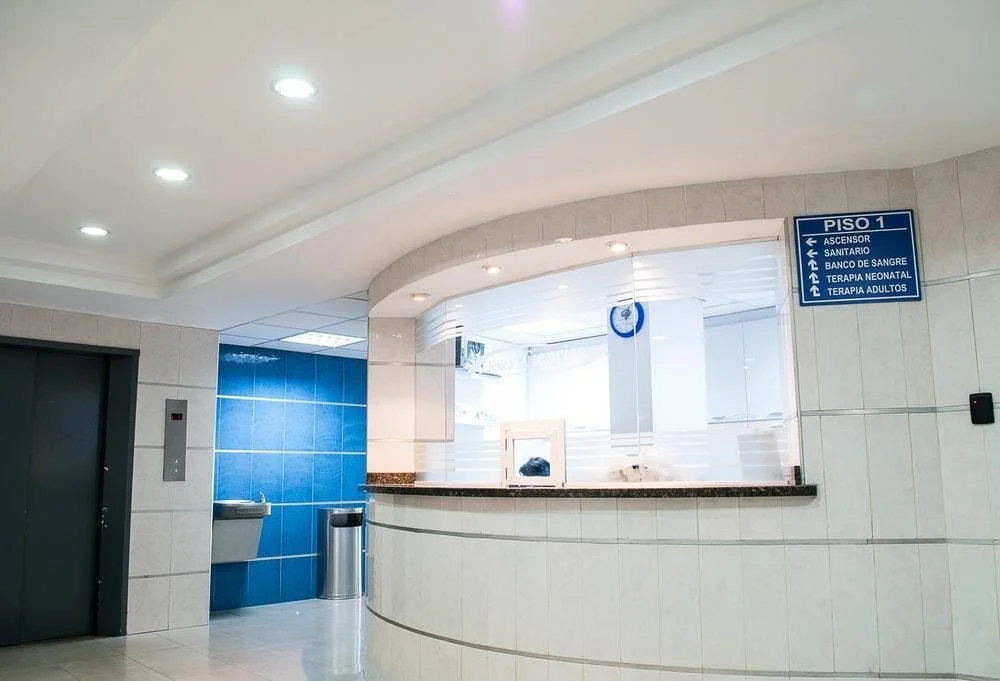
Photo by Martha Dominguez de Gouveia
If you are eligible, then applying for a Personal Number through The Swedish Tax Agency is an absolute must, as it will open many doors for you from subsidised healthcare to accessing various services.
If you are not an EU citizen, then medical expenses can be costly. To avoid these fees, there are numerous paths you can take. If you are a student studying in Sweden for a period of 12 months or more, then you have the right to apply for a Personal Number, which will give you access to all the same medical benefits as a Swedish Citizen. This also applies to those working in Sweden.
If the above doesn’t apply to your circumstances, then I would recommend purchasing private travel insurance. Depending on the package you choose, the insurance can cover everything from plane hijacking to mountain rescue (something the EHIC card doesn’t cover!). I would recommend Insure and Go for the best deals on travel insurance, from as low as 100 SEK per month.
Read more about applying for a Personal Number in Sweden
Accessing Healthcare And Emergency Clinics As An Asylum Seeker
Photo by Zhen Hu
Don't worry if you have arrived in Sweden as an asylum seeker and don't have all the relevant papers with you; no-one will deny you emergency medical care, and your situation will be taken into account.
You’re circumstances and options may differ, if coming to Sweden as an asylum seeker or needing to access Sweden’s emergency healthcare. If this is the case, don’t worry – you will never be denied emergency medical care. Children of asylum seekers, under the age of 18, will be offered all healthcare at the same level as a Swedish citizen, regardless of having no papers. The same applies dental concerns.
If you have a medical issue and you need some advice on what steps to take, you can contact 1177 Vårdguiden by phone. Here, you can receive specialist advice and guidance on what the best options are for you to take next. You can also use Vårdguiden to find out where the nearest emergency clinic is to your house, and they can advise you on whether or not they think the medical issue is an emergency needing immediate attention.
Read more about applying for a Residence Permit in Stockholm
How To Visit The Dentist In Sweden As Both An EU And Non-EU Citizen
Photo by Daniel Frank
Visiting the dentist, or Tandläkare, in Sweden can be pricey – your best option is to book an appointment with your dentist in your home country before you travel. If you have to visit a dentist whilst you’re in Sweden, there are a few things to consider to keep the prices down, including visiting a public dentist (Folkstandvården), instead of a private clinic. Emergency care is usually offered at a subsidised rate if an EU citizen.
The Swedes spend 14% of their national budget on healthcare, but this mainly includes doctor's clinic care, only offering a small subsidy on dental treatments. The government recently announced that it will extend its free dental care to young people up to the age of 23. If you don’t fall in this bracket, then expect to fork out over 500 SEK for a general appointment and 700 SEK for a tooth filling.
Read more about things to think about when moving to Stockholm
Navigating your way around medical care and expenses in a foreign country can be difficult. I hope you’ve found this guide to be a helpful starting point in organising your medical arrangements for your time in Sweden. Regardless of whether or not you’re an EU citizen, there are always options for accessing emergency care in Sweden and no one is left behind.
What was your experience of arranging medical care in Sweden as an EU or non-EU citizen? Let us know all about it down below in the comments!
This article was written for Globuzzer, the social network for travelers and expats in the Nordic regions.