Top 5 Healthcare Services That The NHS Offers And How To Access Them
The publicly funded National Health Service (NHS) offers free and subsidised healthcare for all UK, EU and EEA citizens. This includes those from outside of the EEA who have paid an immigration health surcharge. There are a variety of services that the NHS offers including advice lines and emergency care.

Photo by Alexandra Kuzmina
If you're visiting from overseas and are in need of medical advice during your stay, there are numerous ways of accessing NHS services. Members of the EU and EEA will still be able to use their EHIC cards to access NHS healthcare until 31st December 2020. For those visiting from outside of the EU, there are alternative measures you can take to ensure your right to access healthcare.
Navigating the healthcare system of another country can be a challenge. If you find yourself in need of emergency medical care in the UK or simply a refill of your prescription medication, it's good to know the right numbers to call and people to speak to. Here, we will guide you through the top 5 ways of accessing NHS services in England.
1. For Free Medical Advice Call 111

Photo by Nordwood Themes
NHS 111 is the free advice line run by the National Health Service. 111 should be your first point of call if you have a medical-related query or concern but are unsure of the most suitable course of action to take. The advice line is run by fully trained advisors who will ask you about your symptoms and give suitable guidance and connect you with a nurse, pharmacist or GP if necessary.
Phone lines are open 24 hours a day, 7 days a week and are totally free of charge, meaning that you do not need to be an EU/EEA citizen or even legally residing in the country to use 111. The advice line will also give you information about local services you can access, including sourcing medication you may need. You can also use NHS Online to access their symptom checker.
Call 111 for medical advice
Visit NHS Online
2. Call 999 For Emergency Medical Care
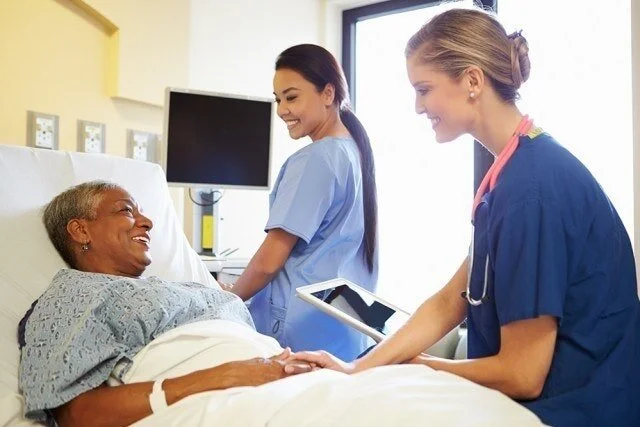
Photo by PRNewswire
If you or someone you know is seriously ill, injured or their life is at risk then you should call 999 immediately. This can include severe bleeding that won't stop, loss of consciousness, severe allergic reactions, breathing difficulties and chest pains – that could be an indicator of a heart attack. Visit the NHS's When to call 999 for more information on urgent medical care.
Once you have called 999 and reached the operator, you will be asked to give a brief description of what's happened, where you are located and what telephone number you are ringing from. The operator will decide what the most appropriate call of action is, which could include an ambulance being dispatched and being taken to A&E, or a community first responder being called.
Call 999 for life-threatening emergencies
Read more about the contact details for emergency healthcare
3. Visit An Urgent Treatment Centre

Photo by Greg Rosenke
Minor injuries clinics are used for non-life threatening injuries including cuts, sprains and rashes.
Walk-in centres, minor injuries units and urgent treatment centres are for minor illnesses and injuries that are not severe enough to visit A&E, but too urgent to wait to see you GP. Urgent treatment centres are run by GP's and are equipped to diagnose and treat a variety of non-life threatening injuries.
Some of the injuries and illnesses that urgent care centres facilitate are minor cuts, burns, coughs and colds and emergency contraception. Visit the NHS website for the full list of injuries and illnesses that they are equipped to deal with. Urgent care centres are open for at least 12 hours a day, every day of the week including bank holidays.
Find an urgent care service near you
Read more about UK bank holidays in 2020: when can you expect a day off
4. Ask A Local Pharmacist For Advice
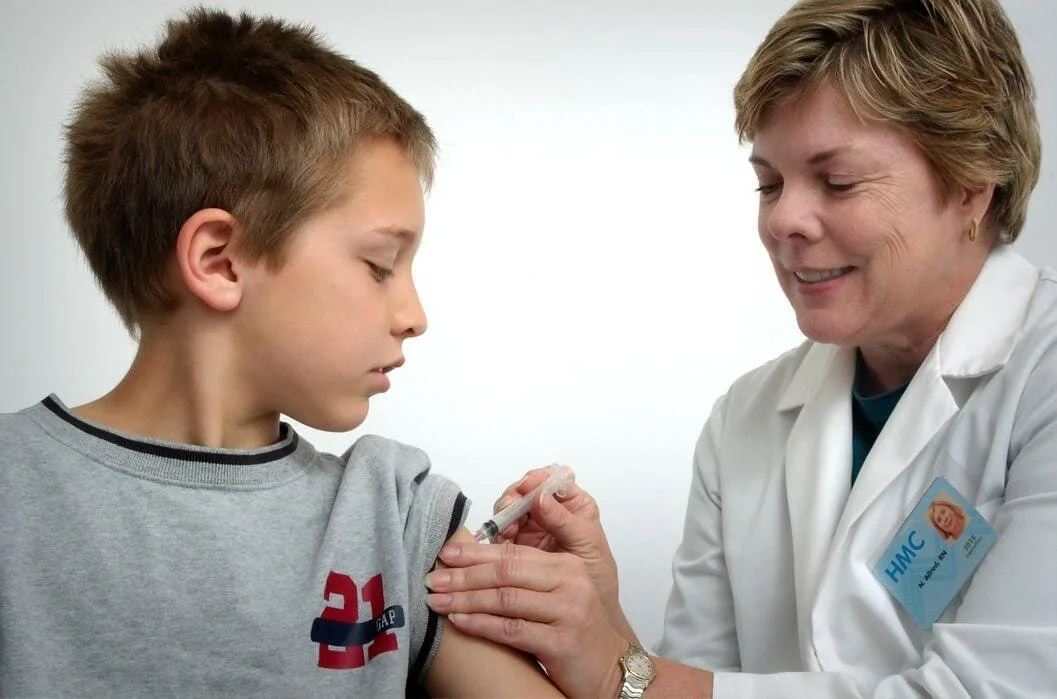
Photo by Alexandra Kuzmina
You don't have to travel far to find advice on healthcare or the most appropriate medicine: pharmacists are qualified healthcare professionals and experts in medicine. Pharmacists can offer a range of advice from everything from medication usage to treating minor injuries. There is no need to book an appointment – simply walk in and make a medical query for treatment advice.
Most pharmacists will have a private consultation room if you do not wish to be overheard. Pharmacists can even prescribe a range of medication at their discretion. In addition, they can offer advice on how the medication is taken and advise on the most suitable over the counter medications for your ailment. Most prescriptions cost a flat rate of £9.00 per item, but some are free of charge.
Prescriptions cost a flat rate of £9.00 per item unless you are exempt from paying
Certain types of prescriptions are free of charge
5. Make A Doctors Appointment With A GP

Photo by CDC
The best way to have a 1:1 consultation with a doctor is by visiting your local GP's surgery. To make an appointment at a surgery, you will need to be registered at that surgery which means living within its catchment area. Find your nearest GP surgery and visit in person, or call reception, to make an appointment. There is also the option of using NHS Online to book appointments.
Waiting times for appointments may vary but are usually in the region of 2 weeks. Most surgeries will offer emergency appointments on the day, but you must call up as soon as the surgery opens; usually, around 8 am. Consultations with a GP normally last 10 minutes, but you can ask to book a double appointment if you need more time. Consultations are free.
Find your nearest GP surgery
Start using the NHS's online services to book appointments
Read more about healthcare in the UK and registering for the NHS
These are the top 5 ways of accessing healthcare and advice from NHS medical professionals in England. Remember, all medical services are free of charge, other than prescriptions. NHS 111 is a great support line if you are in need of some medical advice, but if the illness or injury is life-threatening then be sure to call 999 immediately.
Did you know about all of the services that the NHS offers? Let us know in the comments section below!