Where To Find A Wild Moose In Sweden
The moose, or if you're from across the pond Elk, is Sweden's most famous member of the animal kingdom. Native to Northern regions of Europe, the largest affiliate of the deer family was originally considered a single species but has recently been differentiated from its American cousin. So, If you want to know where to spot a moose in Sweden, then you better head on over to the Swedish Wilderness!
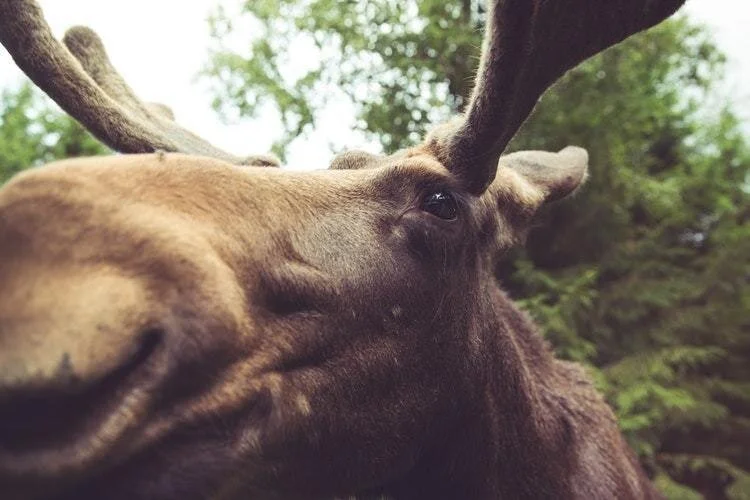
Photo by CD-X
Moose, or Älg in Swedish, has been a popular hunting trophy for centuries. This is to no surprise, considering the fact that moose can reach a height of up to 350 cm, or 11.5 ft. Not only is the meat of the animal, venison, considered a delicacy in some cultures, but the size of the mammal makes for a substantial amount of meat that, historically, would have lasted Swedish natives throughout the long, scarce winters.
The animal, that has been recorded as weighing up to 825 kg (!) is known to enjoy roaming the lowlands and the mountain areas, especially dense forests with an apt supply of water from marshes and rivers. Luckily, Sweden has plenty of these types of landscapes so wherever you are in the Swedish wilderness, be sure to tread lightly and keep your eyes peeled!
Many areas in Sweden have moose parks and enclosures where you can get up close and personal with the animal with the experienced staff. However, being both nomads and solitary creatures, moose tend to roam freely across the land so you'll always be in with a chance of spotting one. Here, we'll discover the top places and best conditions in Sweden to spot a moose.
Moose Hunting: 101
Before we begin, here are a few tips and tricks you should bear in mind before setting off in search of your antlered beauty:
Moose are most active between dusk and dawn
They tend to live alone, as opposed to in groups
Walking pace: 9.6km p/h / Running pace 56km p/h
The animal likes to graze on twigs, shrubs and leaves
Peak Moose activity is between May - September
Moose can live up to 25 years in captivity
You have a greater chance of spotting a moose the further up North you are
Moose are herbivores and eat as much as 60 lbs of vegetation per day
Bergslagen Forest
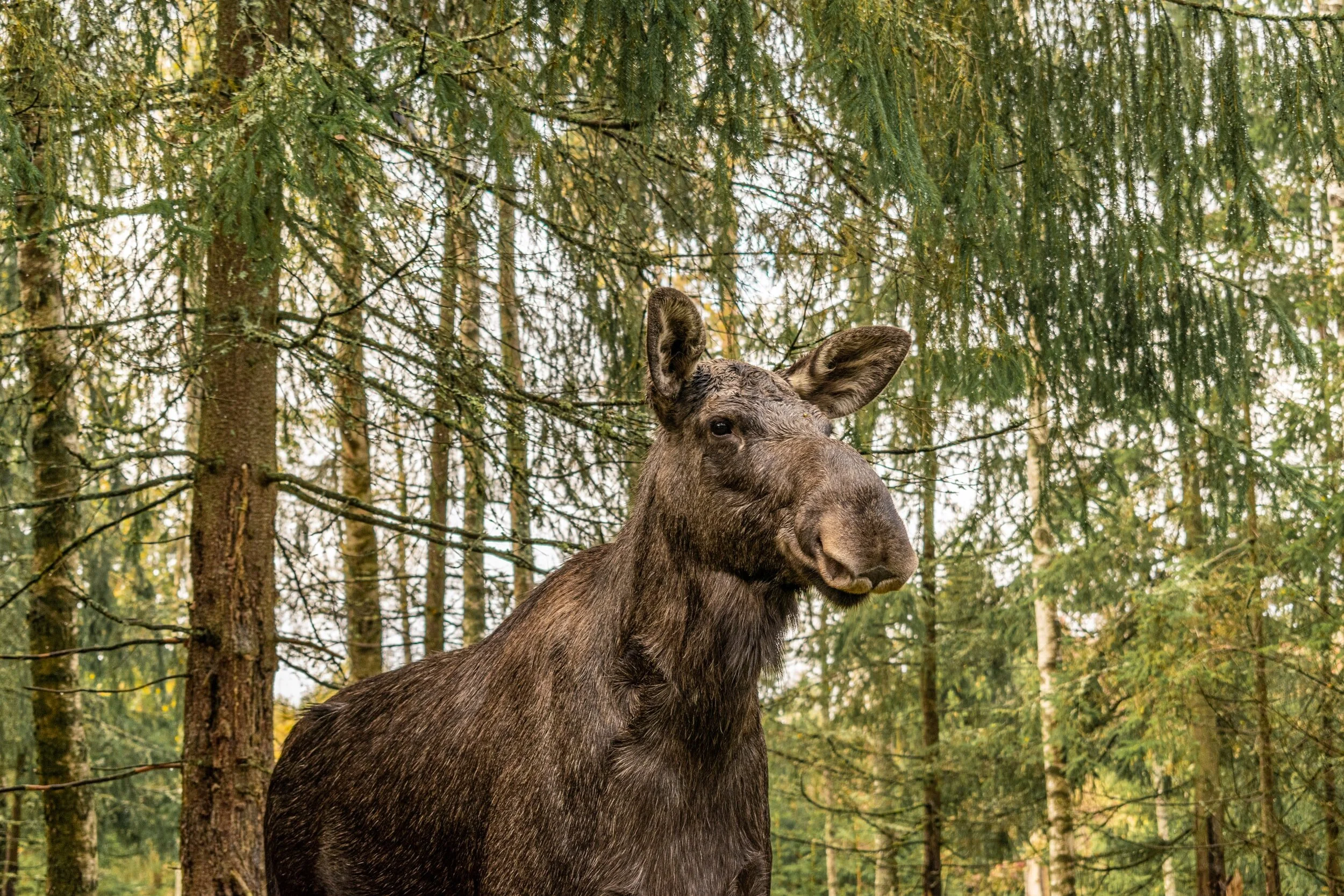
Photo by Jesse De Backer
Dense forests, marshlands and an abundance of shrubbery tick all of the boxes for a Moose's dream home. No wonder the species calls Bergslagen home, in this remote area of central Sweden that's just a few hours away from Stockholm by car. Bergslagen has one of the highest moose population densities in the world. The hunting season begins in late Springtime and extends until the end of September.
To catch a glimpse of one of these majestic creatures, you can hire an experienced wilderness guide to increase your chances of finding one in its natural habitat. Or, navigate your way through the deep forest on your own - if you dare! This is one of the best places in Sweden too see wildlife and you may even catch a beaver yawn or a wolf howl!
Check out their website for more information.
The Archipelago
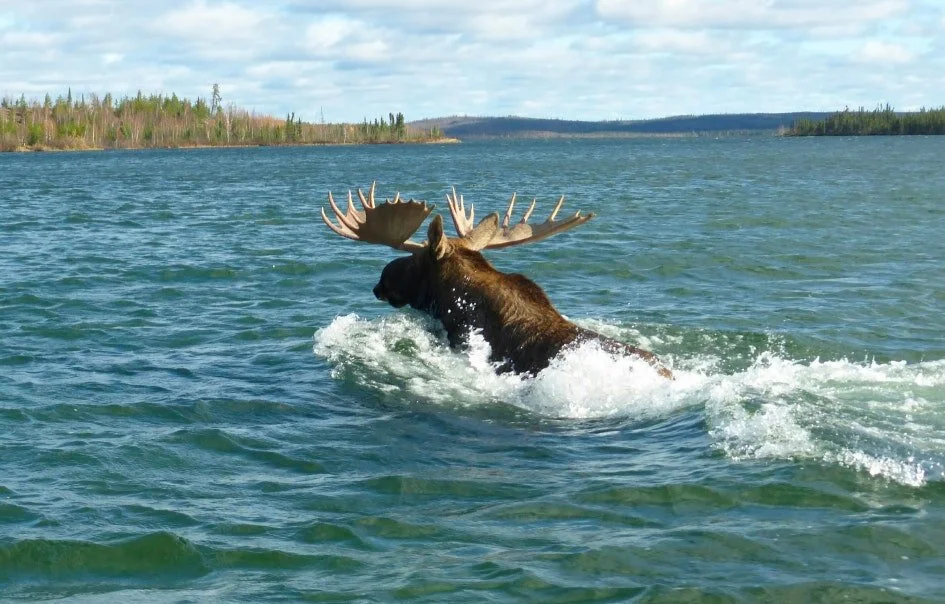
Photo by Cansubarc
This cluster of 30,000 islands isn't just a holiday destination for the Swedes, but the wildlife too. Whilst some may hop on their sailboat to reach the islands, for the moose, there is no need. Moose are excellent swimmers and can sustain a swimming pace of 6 mph for up to 2 hours at a time. So, you could consider them the ultimate island hoppers!
Although moose are often seen on the larger islands in Värmdö, an archipelagic municipality of Stockholm, you can sometimes spot them on the smaller islands amidst their travels. In early May, a moose was spotted on Söderöra, an island only 2km². In the winter time, when temperatures plummet to as low as -22c, the moose simply walk across the ice of the frozen islands in search of fresh vegetation.
Read more about the Stockholm Archipelago here.
Skinnskatteberg, Västmanland
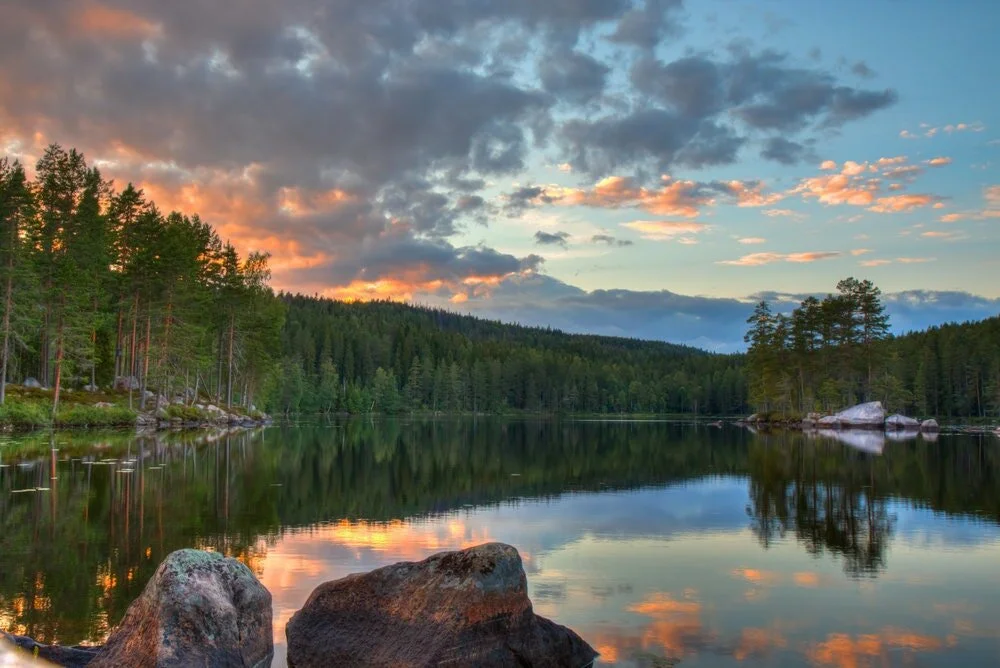
Photo by Michiel Correwijn
Skinnskatteberg is located in central Sweden, just North-West of Stockholm. The lake town has an abundance of wildlife and moose are regularly spotted in the surrounding areas roaming freely. Like other Swedish forests, moose safaris are offered. The perk of moose-spotting at Skinnskatteberg is that the safaris run through open nature, so none of the animals are kept in enclosures.
By spending an evening out with a local moose guide, you will also be in with the chance of seeing reindeer, foxes, cranes, owls and maybe even a wolf! The safaris take place from May through to September and the tour guides pride themselves in having courtesy from the wildlife; keeping a respectful distance away from moose in their natural habitat.
Read more about the safaris here.
Småland
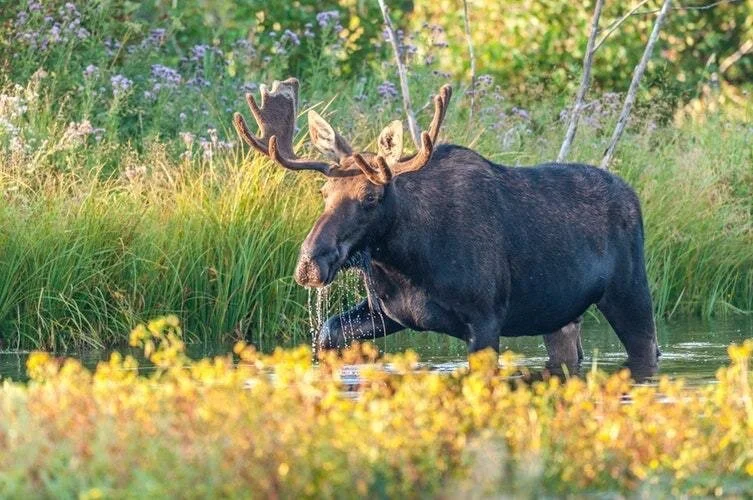
Photo by Kevin Noble
Sweden is home to over 400,000 moose, which is 4% of the entire population of Sweden! A large proportion of those, an estimated 30, 000, live in the forests of Småland. Although Småland has 9 Moose Parks and enclosures, some people prefer to explore the Swedish wilderness and wildlife unaided, to see The King of the Forest in his natural habitat.
To succeed in finding a wild moose in these areas, it's crucial to go off-trail into the depths of the forest. Here, the moose finds shade and rests for the day until dusk when they reappear in search for a snack! Åsnen, a large lake area comprising of 1000 smaller islands, is an ideal destination for spotting the local wildlife. Moose roam freely in these luscious surroundings, which also make for the perfect weekend getaway.
Check out Smålands official website for more information on moose safaris and guided tours.
Moose Parks in Sweden
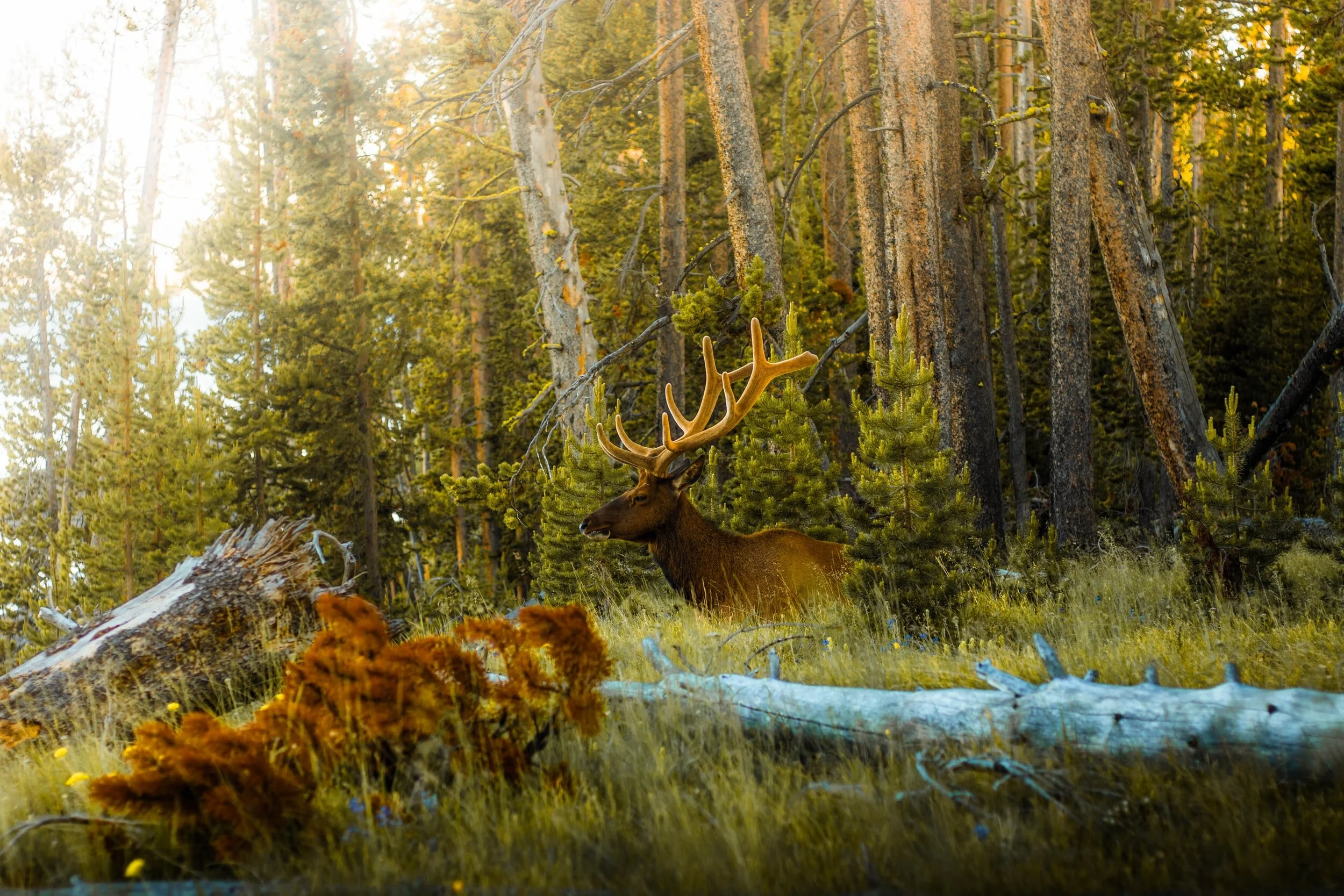
Photo by Harrison Hargrave
If you consider yourself more of a city slicker and don't fancy trekking through marshlands at dawn or dusk, then a great alternative is to visit one of the many Älgpark or Moose parks in Sweden.
Here, you can get up close and personal with the species and even help with feeding. Since many have been born in enclosures they are usually tamer. However, the parks also offer Moose Safaris to spot the wild ones too.
Here are a few of the more popular parks across Sweden:
Gårdsjö Älgparken in Heby
Långshyttans Älgpark in Dalarna
Wrågården in Falköping
Glasrikets Älgpark in Nybro
Arctic Moose Farm in Överkalix
Marcus Eldh, the founder of the natural habitat moose tours in Skinneskatteberg, said: "Moose are wild animals, they belong in the forest, not in a zoo or a farm." Do you agree that animals should be left in their natural habitats, or are Moose Parks beneficial? Let us know your thoughts in the comments section below.
This article was written for Globuzzer, the social network for travelers and expats in the Nordic regions.