Sustainability In Sweden: What Is The PANT Plastic Bottle Recycling Scheme?
Sweden recycles over 90% of all its used plastic bottles and metal drinks cans. This is largely due to the PANT scheme, where consumers can visit deposit machines in local supermarkets where they can recycle all of their old plastic bottles and drinks cans in return for compensation, that they can later spend towards their next shop.
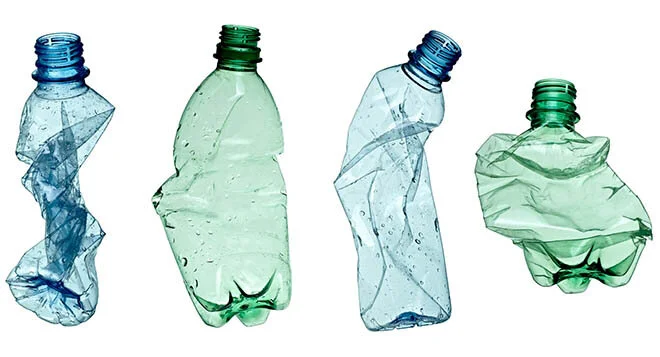
Photo by EEAG
The PANT scheme is not exclusive to Sweden: it is also commonplace in other Scandinavian countries as well as Germany. The scheme boasts a 90% success rate.
The word PANT is not an acronym – it refers to a legal term whereby someone is owed back money at a later date. This is because the PANT scheme doesn’t pay you to deposit all of your old drinks containers but returns the extra money you paid towards the beverage container when you purchased it. The amount is between 1 – 2 SEK, depending on the size of the bottle or can.
If you look at a bottle of Coca-Cola, for example, the price might be advertised at 11 SEK, but when you go to pay you will be charged 12 SEK. Upon looking closely at the bottle, you’ll see it says PANT 1 kr. So, effectively, you’re paying a deposit every time you purchase a plastic bottle or drinks can that will only be returned to you under the condition that you recycle it after use. Now that explains the 90% recycling rate!
But what are some of the other forms of recycling in Sweden? Read on to find out more.
The Importance Of Recycling Waste In Sweden
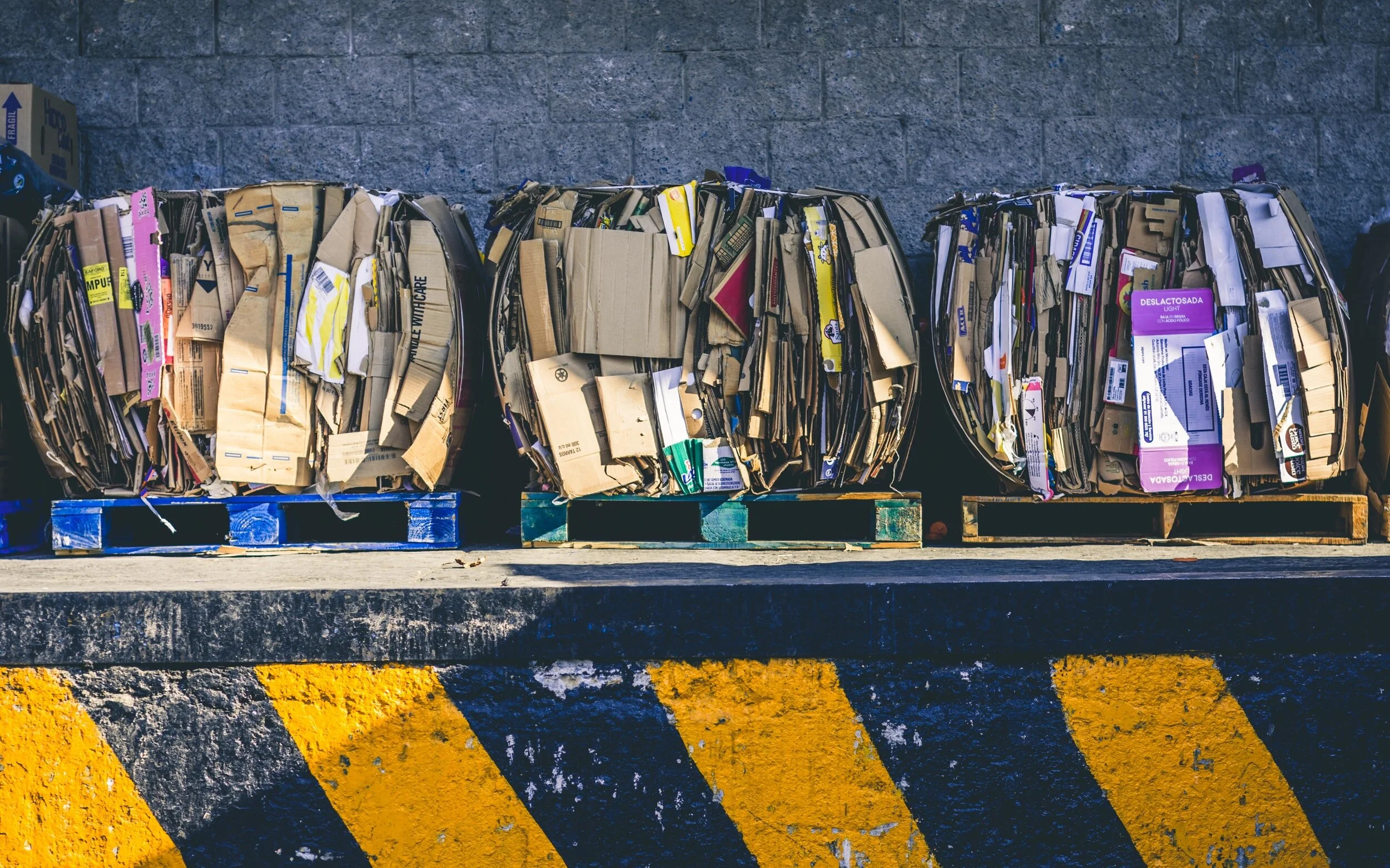
Photo by Alfonso Navarro
Sweden is known worldwide for being a green country that handles its recycling responsibly. Unlike some countries that have a household boiler that heats water, Sweden has a centralised heating system that is run on waste.
Sweden already has fantastic rates of recycling at 93% for glass, 47% for plastic packaging (not including PANT), and 82% for paper, although there is always room for improvement. The Swedish government has reformed tax laws to make it cheaper to repair used items, to avoid purchasing new ones, and some clothing stores including H&M will offer discounts off your next purchase if you donate your old clothes to their clothes bank.
However, not all of the waste is recycled quite how you’d imagine; since laws were passed in the early 2000s that limit the amount of waste going to landfill, Sweden has started burning its recycled waste. But this is no cause for alarm, as all the energy generated by burning the waste is used to heat homes and fuel buses. Four tons of trash generates the energy equivalent to one ton of oil. This also helps in hindering the use of fossil fuels.
Fact: Swedish houses, generally, don't have boilers, but instead, central water heating towers where water is transported via insulated pipes underground to nearby homes.
Read more about cheap bicycle repair shops for cycling in Stockholm
Sustainability And The Utilisation Of Natural Resources In Sweden
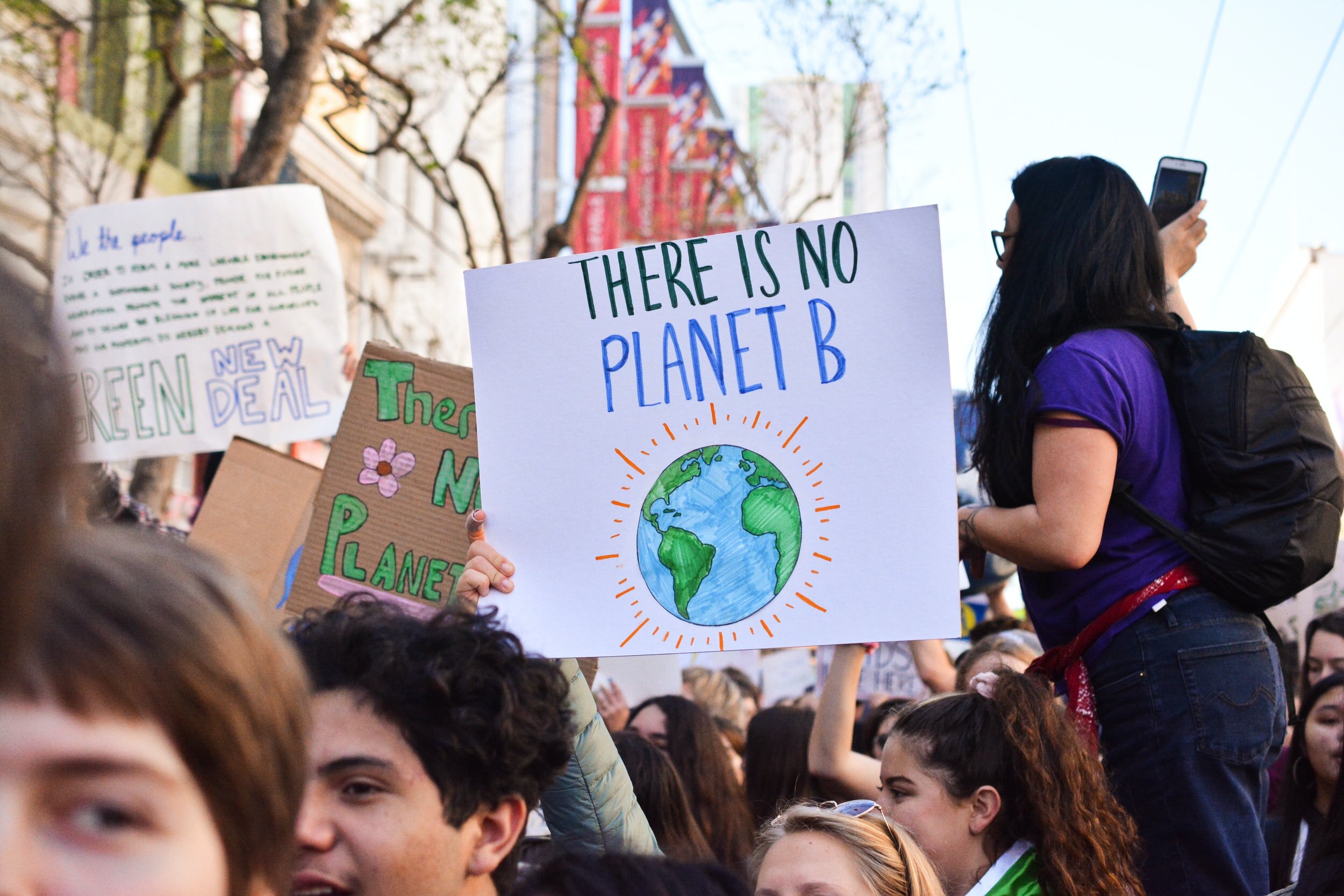
Photo by Li-An Lim
If you take a look at some of the buses in Sweden’s capital, you’ll notice how it says they are run using biogas. This is recycled food waste that is turned into bio energy and used for all sorts of fuel.
Recycling of used goods isn’t the only way that Sweden demonstrates its energy-efficient ways. Alternative forms of energy production have become commonplace in the Scandinavian country, with hydro and nuclear power equating to 83% of the overall energy production. Wind turbines make up 12.4% of energy production, but it is said to increase in the coming years. This figure has risen from 0.03% in 2000.
Using solar panels to generate renewable energy worldwide is a relatively uncommon form of energy production on an industrial scale, but more and more homes are having solar panels installed for personal use. The most efficient way of producing energy is by nuclear power which, in Sweden, is generated in three different power plants across the country. Nuclear energy makes up 35% of all energy in Sweden.
The most common forms of energy production in Sweden:
Wind Turbines
Solar Panels
Hydropower
Nuclear Energy
Biofuels From Waste
Fact: Nuclear energy itself is currently considered a renewable energy source. However, uranium, the chemical element that is used in power plants to generate nuclear energy, endures lengthy refining processes that can be detrimental to the environment.
Read more about ditching your car and opting for SL public transport instead.
How To Make A Difference: Everyday Steps You Can Take
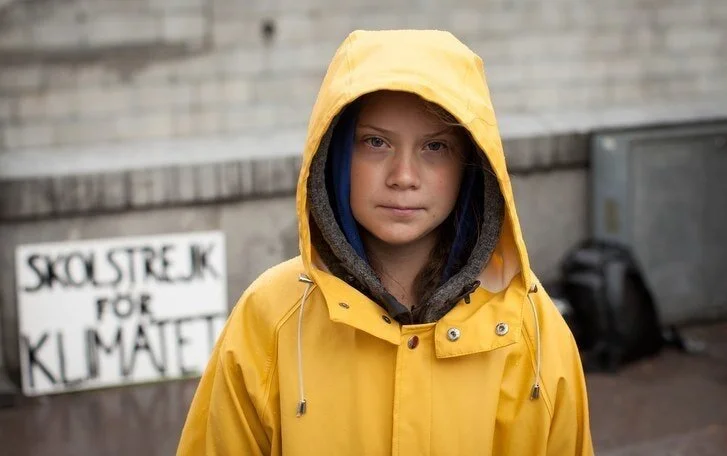
Photo by Anders Hellberg
16 year old Swedish climate activist, Greta Thunberg, has become a prominent political figure in the last year, after starting School Strike for the Climate, a social movement to raise awareness for the lack of action the government is taking towards climate change.
Climate change and rising CO2 emissions have become a hot topic in the last years, with Greta Thunberg taking the issue by storm and making headlines worldwide. Rising greenhouse gas levels are predicted to wreak havoc in years to come, as the CO2 creates an insulative barrier in the atmosphere, trapping in heat and causing severe climate change. A change of just 1.5°C on average can cause huge damage to the environment.
Here are some of the steps that you can take in reducing your CO2 emissions and waste:
Choose public transport over the car (better yet, cycle)
Eat less meat and animal products
Reduce aeroplane use (holiday nearby)
Avoid buying things with excessive packaging
Re-use and repair, don’t throw out!
Read more about saving the planet by turning off your lights with earth hour.
Climate change and sustainability are major issues in today’s political landscape. It doesn’t matter how small of a contribution you make – everything you do will make a difference. Recycling old plastic bottles and cans is one small contribution that will benefit everybody, but there are other day-to-day differences you can make to reduce your carbon footprint.
Do you have a PANT bottle recycling scheme in your country or any other type of recycling system? Tell us all about it down below in the comments!
This article was written for Globuzzer, the social network for travelers and expats in the Nordic regions.